ABC News: Inside the legal MDMA and psilocybin magic mushroom trade
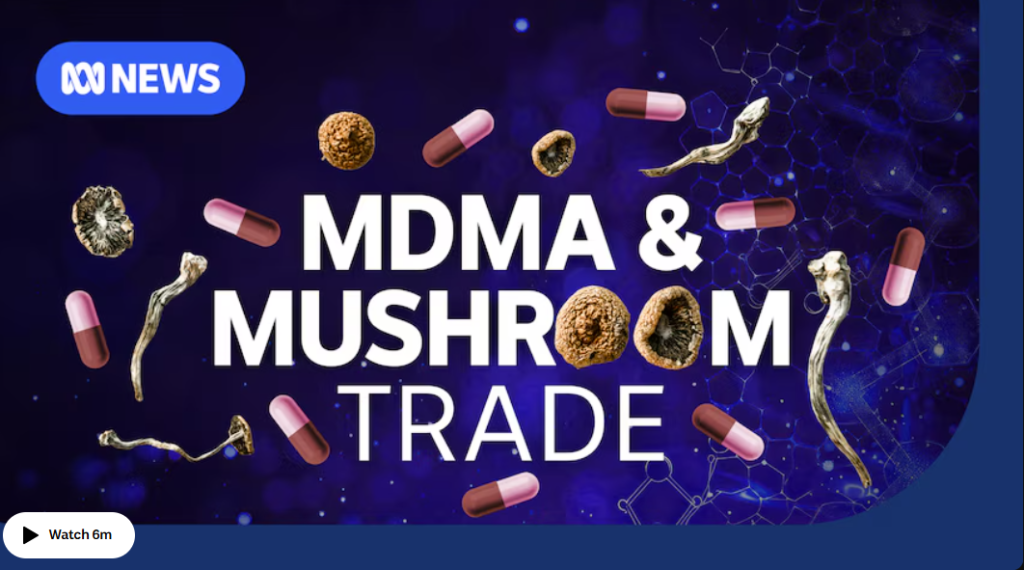
For the first time, the ABC can take you behind the scenes of its production line, inside the vaults, and all the way to the patients in therapy.
For the first time, the ABC can take you behind the scenes of its production line, inside the vaults, and all the way to the patients in therapy.
Bioxyne (ASX:BXN) has announced a $50 million exclusive medicinal cannabis supply agreement with German pharmaceutical company ADREXpharma. This two-year contract, facilitated through Bioxyne’s wholly-owned subsidiary Breathe Life Sciences, marks a strategic expansion into Germany, which is currently Europe’s largest and most developed medicinal cannabis market.
The agreement focuses on the distribution of BLS’s premium, Australian GMP-manufactured cannabis flower and associated products, establishing a sales pathway into the European Union. The financial structure of the deal offers substantial near-term revenue visibility for Bioxyne, as detailed in the Grafa report.
Terms of the Medicinal Cannabis Supply Agreement
The agreement includes an initial $25 million minimum commitment from ADREXpharma within the first 12 months. This commitment features an automatic renewal clause for an additional 12 months, bringing the total valuation of the contract to $50 million. This structure provides Bioxyne with a predictable revenue stream over the initial two-year period, subject to ADREXpharma meeting its purchase obligations.
Article by Hemp Gazette – Read more: https://hempgazette.com/news/bioxyne-german-medicinal-cannabis-supply-deal/
Bioxyne (ASX:BXN) has secured a two-year supply agreement worth up to $50 million with German pharmaceutical company ADREXpharma GmbH, a move the Australian firm says will give it a defined pathway into Europe and near-term revenue visibility.
The deal includes a $25 million minimum purchase commitment in the first 12 months and automatic renewal for a further 12 months.
Under the agreement, Bioxyne’s wholly owned subsidiary, Breathe Life Sciences, will supply Australian GMP-manufactured cannabis flower and other products for onward distribution through ADREXpharma’s established German customer network.
ADREXpharma has been granted exclusive rights to the Dr Watson brand in Germany, supporting targeted market penetration in Europe’s largest medicinal cannabis market.
Sam Watson, Chief Executive Officer of Bioxyne, said the expanded arrangement reflects the company’s momentum in regulated European markets and its broader pharmaceutical ambitions. “This expanded supply agreement with Adrex reflects the scale and momentum we are building in new markets and strengthens our position across key regulated European markets as we continue to grow our broader pharmaceutical portfolio. While cannabis remains the largest commercial part of Bioxyne’s business today, we are actively progressing opportunities to expand into additional medicines and controlled substances with both established and emerging therapeutic applications. Adrex’s strong presence and expertise in European pharmaceutical markets makes them
a natural partner as we look to expand into new therapeutic areas.”
Nicole Broockmann, Chief Executive Officer of ADREXpharma, said the companies have spent the past six months refining product quality and supply chain operations, and that the agreement positions them to scale in Germany’s expanding market.
“Over the past six months, we have built a strong foundation together with Bioxyne and BLS, refining product quality, strengthening the supply chain, and establishing the operational framework required to support long-term growth in Germany. This agreement positions both companies to build a scalable platform capable of becoming a significant supplier into Germany’s rapidly expanding medicinal cannabis market, which is now estimated at more than 200 tonnes per annum. Bioxyne’s GMP manufacturing capability, combined with our local distribution expertise and pharmacy network, creates a strong partnership to meet increasing patient demand across the market.”
The expanded contract is described by Bioxyne as a material expansion of an initial supply arrangement signed in June 2025 and aligns with the company’s strategy to scale GMP-certified manufacturing and supply across regulated international markets.
Article by Biotech Dispatch: https://biotechdispatch.com.au/news/australias-life-sciences-sector-emerges-as-fast-growing-globally-connected-powerhouse
Bioxyne lands $50m exclusive German supply deal with ADREXpharma, securing $25m minimum in first year, boosting Europe revenue visibility and 12-month renewal.
Key points
Bioxyne (ASX: BXN) has secured a significant $50 million exclusive German supply agreement with ADREXpharma, marking a substantial expansion into Europe’s largest medicinal cannabis market.
The deal, which includes a $25 million minimum commitment in the first year, bolsters near-term revenue visibility and extends the company’s international reach.
The contract, signed by Bioxyne subsidiary Breathe Life Sciences, also features an automatic 12-month renewal for the agreement.
This latest agreement expands on an initial supply agreement executed with ADREX in June 2025. It reflects increasing demand for Breathe Life Sciences’ GMP-certified products across Europe.
Article by Small Caps | read more: https://smallcaps.com.au/article/bioxyne-secures-50m-exclusive-german-supply-deal-with-adrex
Bioxyne subsidiary Breathe Life Sciences (BLS) has signed its first medicinal cannabis flower supply agreement in Costa Rica.
The deal was struck with Remidose LATAM, a Costa Rican subsidiary of Canadian firm Remidose Aerosols, which specialises in precision-dosed metered THC inhalers and transdermal topical gels.
The agreement expands on an existing December 2025 deal inked between the groups covering the supply of pastilles into Costa Rica and Panama.
Bioxyne said the arrangement, which will see the firm supply three Dr Watson-branded cannabis flower SKUs, marked the first international supply of medicinal cannabis flower into Costa Rica.
The first shipment was expected before June 30, with the initial invoice set to exceed $500,000.
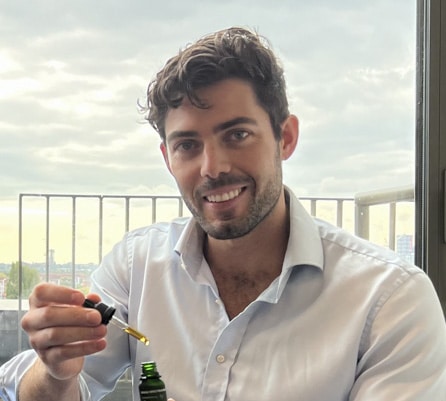
Chief executive Sam Watson said the expanded agreement showed how quickly opportunities could evolve once a foothold was established in growing markets.
“We’ve moved from our initial agreement into a broader supply scope in a short period of time, which reflects both the strength of the relationship and the level of demand we’re seeing on the ground,” he said.
“LATAM is still early in its development, but that’s exactly where we see the opportunity.
“Being the first to supply branded medicinal cannabis flower into Costa Rica positions us ahead of competing suppliers and gives us the platform to expand into other LATAM jurisdictions as those markets continue to open.”
Remidose managing director Michael Mayne added: “We are pleased to be making the first ever shipment of medicinal cannabis flower into Costa Rica and are delighted to be doing this with the Dr Watson-branded products.
“Early indications of demand have been exceptionally strong – to the point where initial stock may well be fully committed before product even arrives in market. This is an exciting time for both companies.”
Article by Cannabiz: https://www.cannabiz.com.au/bioxyne-lands-first-costa-rica-flower-supply-deal/
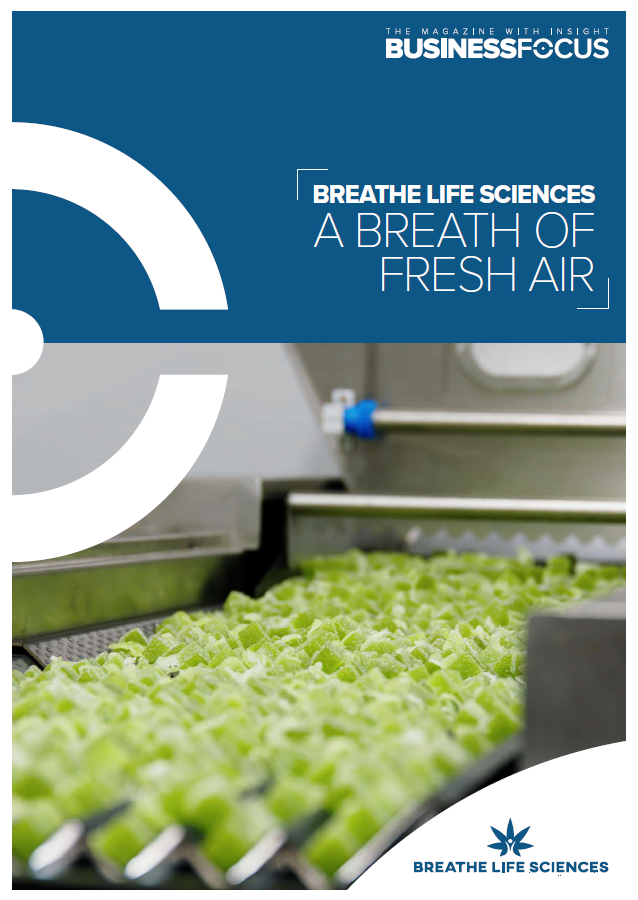
Australian Bioxyne Limited has signed a manufacturing agreement with global medical cannabis company Aurora Cannabis Inc., marking a significant step in its international expansion.
The deal, executed through Bioxyne’s wholly owned subsidiary Breathe Life Sciences (BLS), covers the production of pharmaceutical-grade medicinal cannabis products for supply into key markets.
The initial agreement includes the supply of GMP-certified medicinal cannabis oils into the Australian market, with deliveries already completed. The partnership is also expanding to include GMP-manufactured cannabis vapes for distribution across Australia, the United Kingdom and Germany, with onboarding for additional product lines now underway.
The collaboration reflects Bioxyne’s evolution from a domestic manufacturer to a global supplier capable of meeting the demands of highly regulated pharmaceutical environments. It also reinforces the company’s position in precision-dosed cannabis formats and scalable production.
“This partnership with Aurora represents a significant milestone for BLS as we expand our manufacturing capabilities. We are excited about the potential of our broader product portfolio across multiple international markets. This agreement validates our pharmaceutical manufacturing expertise and positions us well for growth,” said chief executive officer Sam Watson.
Aurora’s executive vice president, operations and supply chain, Alex Miller, said the agreement strengthens the company’s global supply chain. “As a global leader in medical cannabis, we’re focused on building a resilient, high-quality supply chain across key international markets. BLS brings strong GMP-manufacturing capabilities that complement our scale, regulatory scrutiny and commitment to delivering high quality medical cannabis products to patients.”
The companies have agreed to expand the scope of the agreement, including the production and distribution of a large quantity of vape products. Discussions are also progressing around additional product lines for Australia, the UK and Germany, further broadening BLS’s manufacturing footprint and market reach.
Article by Manufacturer’s Monthly: https://www.manmonthly.com.au/bioxyne-partners-with-aurora-cannabis/
Bioxyne Limited has announced a new manufacturing agreement with Aurora Cannabis Inc., placing manufacturing at the center of a partnership aimed at supplying pharmaceutical-grade cannabis products to multiple international markets.
In an ASX statement, Bioxyne Limited said its wholly owned subsidiary, Breathe Life Sciences, will manufacture medicinal cannabis products under Good Manufacturing Practice (GMP) standards as part of the agreement with the Canadian-based producer.
The company stated the initial phase of the manufacturing agreement covers the supply of GMP-certified medicinal cannabis oils to Australia, noting that “initial deliveries [have] already [been] completed.”
The scope is also being expanded to include GMP-manufactured cannabis vape products intended for distribution in Australia, the United Kingdom and Germany.
Bioxyne described the agreement as a step forward in its manufacturing strategy, saying it “underscores [its] growing credibility as a global player in pharmaceutical-grade cannabis manufacturing and its ability to deliver high-quality, scalable solutions.”
Chief Executive Officer Sam Watson said the deal represents a milestone for the company’s manufacturing operations. “This partnership with Aurora represents a significant milestone for BLS as we expand our manufacturing capabilities,” Watson said.
“We are excited about the potential of our broader product portfolio across multiple international markets. This agreement validates our pharmaceutical manufacturing expertise and positions us well for growth.”
Aurora Cannabis also highlighted the manufacturing focus of the collaboration, particularly in strengthening supply chains. Alex Miller, Executive Vice President, Operations & Supply Chain at Aurora, said: “As a global leader in medical cannabis, we’re focused on building a resilient, high-quality supply chain across key international markets. BLS brings strong GMP-manufacturing capabilities that complement our scale, regulatory scrutiny and commitment to delivering high quality medical cannabis products to patients.”
According to the release, the agreement has an initial 12-month rolling term with automatic renewal, and can be terminated with six months’ notice. Both companies have begun onboarding additional product lines, with discussions ongoing regarding further manufacturing and supply opportunities across the same international markets.
Bioxyne said the agreement reflects its progression from an Australian-based manufacturer to a participant in global pharmaceutical cannabis supply, while Aurora framed the partnership as part of its broader effort to maintain consistent product quality and supply across regulated markets.
Article by Australian Manufacturing: https://www.australianmanufacturing.com.au/manufacturing-deal-signed-between-bioxyne-and-aurora-cannabis-for-medicinal-products/
In this episode, we sit down with Sam Watson, managing director of Bioxyne (BXN:ASX), to unpack how the company is positioning itself at the intersection of medicinal cannabis, psychedelics, and precision medicine. We dive into the regulatory landscape across the UK and Australia, breaking down how prescribing works and why navigating compliance is critical to success. A key focus is GMP certification, and how maintaining pharmaceutical-grade standards builds trust and creates a competitive edge. We also explore Bioxyne’s strategy of manufacturing finished products, from inhalable flower to fast-growing formats like pastilles, and how they’ve carved out a strong position in the Australian market. Beyond cannabis, the conversation touches on emerging therapies like psilocybin and MDMA, and the growing opportunity to treat conditions like depression and PTSD. Finally, Sam shares Bioxyne’s unique approach to commercialising investigational medicines earlier to accelerate growth while managing risk. This is one of the fastest-growing sectors in healthcare — and Bioxyne is one of the few ASX-listed names that’s doing it profitably.
Watch Sam’s interview via Vantage Point here: https://www.youtube.com/watch?v=PNFQAydFIDo

Podcast: ASX Briefs – Sam Watson Interview
A 149% revenue surge, first‑to‑market GMP MDMA in Australia, and a plan to scale faster than demand—Sam Watson, CEO of Bioxyne, joins us to unpack how a focused manufacturer turns emerging therapeutics into real‑world access. We dig into the mechanics behind record growth, the patient need driving MDMA and psilocybin uptake, and why replicable GMP capacity across Australia, the UK, and Europe is Bioxyne’s not‑so‑secret weapon.
Sam explains how medicinal cannabis remains the commercial engine while psychedelic therapeutics validate a long‑term bet on treatment‑resistant depression and PTSD. With authorised prescriber pathways opening and imports giving way to local GMP supply, clinics gain reliable access and patients get consistent, pharmacy‑grade dosing. We talk through the numbers—upgraded adjusted EBITDA guidance to 16–19 million—and the process upgrades that power it: automation, digitised quality systems, and operating leverage as volumes climb.
We also map the international play. Germany leads as a prescriber‑led, pharmacy‑dispensed market where cannabis flower dominates and Bioxyne targets five to ten tons over the next year through strong local partnerships. The UK mirrors Australia’s earlier stage, making it ripe for a copy‑and‑paste facility to relieve supply bottlenecks. Finally, Sam outlines how rapid clean room buildouts, short payback cycles, and white‑label reliability for 300+ brands create a durable moat: faster turnaround, fewer stockouts, and scalable quality at GMP standards.
Listen to the ASX Briefs podcast here: https://open.spotify.com/episode/1sSfcx8XvcKW16VpPOYV3c?si=pdizuRY-TQi8ftu0T9RmgA&nd=1&dlsi=c51597bc07e4492a